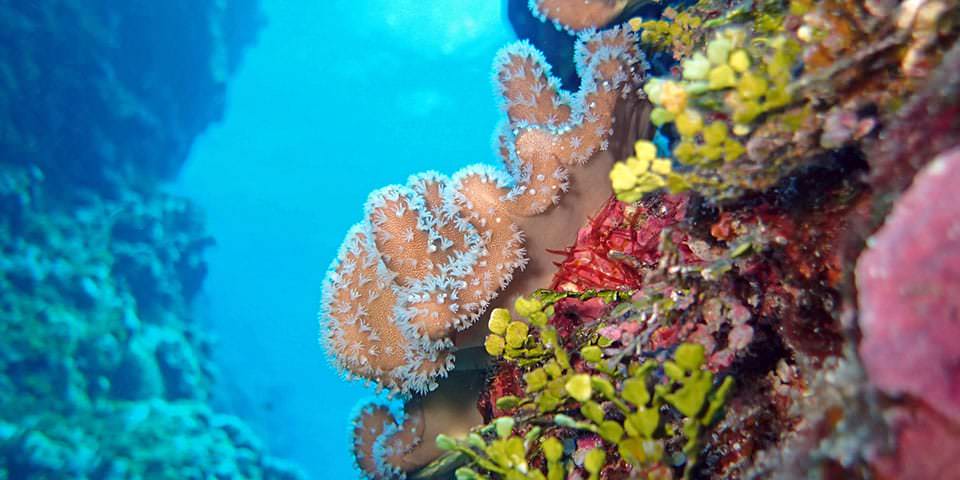
A biologist from the Florida Keys National Marine Sanctuary uses a glue gun to reattach a piece of living coral broken loose when a boat went aground on the shallow coral reef.
Southern Resident Killer Whale mother and her calf swimming.
Mom and baby sea turtle sleeping on the beach on the Big Island in Hawaii. Credit: Karyn Wagner
The many facial expressions of Northern fur seal pups. Credit: Eric Boerner, Alaska Fisheries Science Center, NOAA Fisheries Service
Mom and baby manatee swim in canal in St. Petersburg, Florida.
Mom and baby elephant seal just rolling around on the beach in Ano Nuevo Island, California.
Children discover ocean life at the Smithsonian National Zoo's invertebrates exhibit in Washington, DC.
NOAA’s LCDR Joe Pica diving with a humpback whale off Dominica Republic. His encounter with this humpback whale occurred during a routine dive off NOAA ship Gordon Gunter to recover an acoustic underwater buoy.
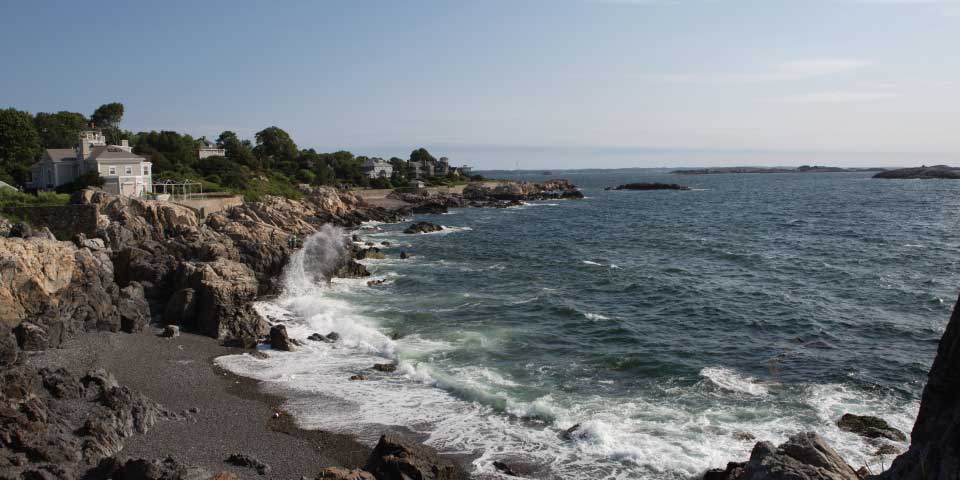
A northward view of the Big Sur coastline and Monterey Bay National Marine Santuary approximately 120 miles south of San Francisco, Calif. Bixby Creek Bridge, a popular landmark of this region, is visible in the distance.
Staff from the Center for Operational Oceanographic Products and Services install a microwave radar water level sensor on the Dog River Bridge in Mobile County, Ala. This is one of five stations installed to support the County's storm surge monitoring network established in 2011.
Octopuses are boneless creatures. They are invertebrates with extremely flexible bodies that can squeeze through incredibly small spaces. An octopus has three hearts, nine brains, and blue blood. Two hearts pump blood to the gills, while a third circulates it to the rest of the body. The nervous system includes a central brain and a large ganglion at the base of each arm which controls movement. Octopus blood contains the copper-rich protein hemocyanin, which is more efficient than hemoglobin for oxygen transport at very low temperatures and low oxygen concentrations. Octopus, along with squid, cuttlefish, and nautalis, are cephalopods. Most of the hundreds of species of cephalopods have three hearts.
There are 21 Physical Oceanographic Real-Time Systems (PORTS®) located around the U.S. with the goal of supporting safe and efficient marine transportation.
On June 20, 2012, the M/V Zhen Hua 13 delivered new cranes from China to the Port of Baltimore by navigating the waters of Chesapeake Bay. To reach this destination, the cranes had to clear a major obstacle—passing under the Chesapeake Bay Bridge outside of Annapolis. As the cranes slid under the bridge, the National Ocean Service provided air gap information as part of the Northern Chesapeake Bay Physical Oceanographic Real-Time System (PORTS®). These measurements, along with real-time tides and current data, helped to ensure a safe and early passage of the ship in to the Port of Baltimore.
An iceberg captured on camera during a 30-day mission in 2012 to map areas of the Arctic aboard the NOAA Ship Fairweather.
As multi-year sea ice continues to disappear at a rapid rate, vessel traffic in the Arctic is on the rise. NOAA is working to update Arctic nautical charts, add new tide and current monitoring stations, and conduct geodetic surveys to support safe navigation, national security, and economic growth in the region.
Polar bears have evolved to living in the extreme conditions of the Arctic. Polar bears and seals are dependent on sea ice for foraging, resting, and reproduction.