NOS Assistant Administrator Biography
NOS Vision
A nation with safe, healthy, and productive oceans and coasts
NOS Mission
To provide science-based solutions through collaborative partnerships to address evolving economic, environmental, and social pressures on our oceans and coasts.
A Message from the NOS Assistant Administrator
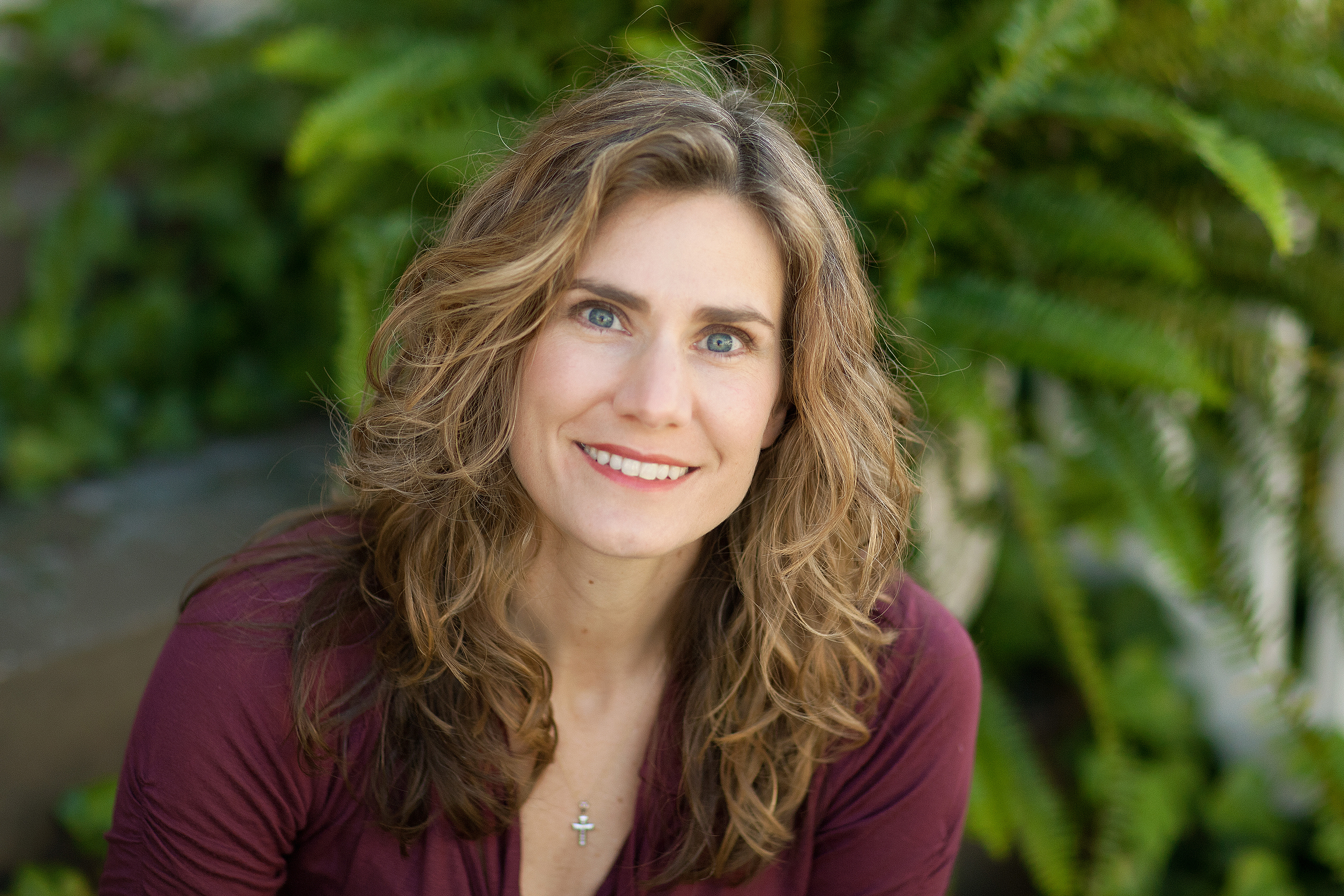
Dr. Holly Bamford
With 90 percent of the country’s consumer goods coming through maritime ports and nearly 40 percent of society living in coastal shoreline counties, America is without a doubt a coastal nation. Given the country’s ever-changing environmental, societal and economic challenges, my utmost priority is to make sure the National Ocean Service’s (NOS) science, service, and stewardship efforts stay ahead of the storm to protect, respond, and recover life and property.
Planning for the mitigation, recovery, and coastal resiliency from natural disasters begins for NOS long before weather forecasts are broadcast or hurricane seasons are predicted. In 2011, I asked NOS the difficult question of how our products and services can be best utilized in the face of increasing coastal threats such as storms, flooding, population growth, and coastal and off-shore development. We answered this question by establishing a new way of business which is a more integrated approach to meet the demand for increasing coastal science and assistance in a time of decreasing budgets and resources. By strengthening our decision support tools, coastal management and science-based activities, NOS identified three key priorities to position America’s communities, economies and ecosystems for the future: Enhance Coastal Preparedness, Response, Recovery, and Resiliency; Build a Coastal Intelligence Network; and Utilize Place-Based Conservation to increase economies.
NOS also revitalized our coordination efforts with academic partners and federal agencies, including the Federal Emergency Management Agency, U.S. Coast Guard, and U.S. Army Corps of Engineers, to collectively provide resources and operation plans to coastal community leaders to make the best decisions to keep you and your loved ones as prepared, safe, and resilient as possible from a complex and ever-changing coastal landscape.
The great work NOS provides extends far beyond the period leading up to and immediately after a natural disaster; our dedicated staff provide crucial modeling, observation, navigation, and management needs every day to coastal communities around the country covering a barrage of activities. NOS navigational charts, real-time tide and current readings, and vessel traffic sensors ensure the $1.4 trillion in products entering America’s ports every year — including the holiday gifts you order online — are delivered safely and on time. Our science includes monitoring nutrient runoff that affect toxicity levels in the watersheds that are home to the seafood you enjoy with your family around the dinner table. NOS manages the conservation efforts for the more than 150,000 square miles of the country’s “underwater national parks” — places where you can make priceless family vacation memories. We also protect coastal waterways and marine resources by executing the identification, evaluation, and clean-up actions of devastating hazards including oil spills and marine debris. We are reinventing our approach to interagency policy practices at all levels of government for coastal zone management, including tools, training, and guidance to support decision making carried out at the local level.
I am thrilled to work for an agency that is committed to the success of so many facets of society. Finding the solutions to today’s ocean and coastal challenges is not simple, but NOS is fully committed to meeting these challenges head on and continuing to revolutionize our ability to ensure the safety and sustainability of the coast for you and generations to come.
Holly A. Bamford, Ph.D.
Assistant Administrator for Ocean Services and Coastal
Zone Management, National Ocean Service
