What is NERRS?
The National Estuarine Research Reserve System, or NERRS, is a partnership between NOAA and coastal states to study and protect vital coastal and estuarine resources.
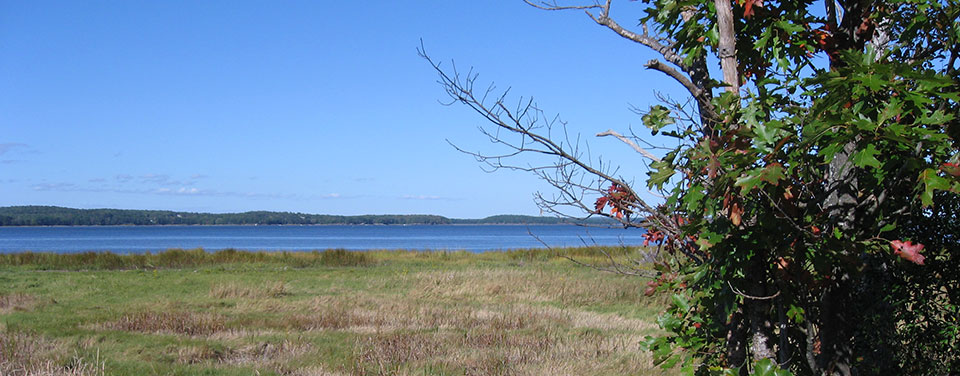
Great Bay National Estuarine Research Reserve is located on the New Hampshire and Maine border.
National Estuarine Research Reserves serve as "living laboratories," with opportunities for both scientists and graduate students to conduct research. Reserves also conduct long-term water quality and habitat monitoring.
The National Estuarine Research Reserve System is a network of 29 areas representing different biogeographic regions of the United States. The reserves are protected for long-term research, water quality and habitat monitoring, education, and coastal stewardship. Each reserve is managed on a daily basis by a lead state agency or university, with input from local partners. NOAA provides funding, national guidance, and technical assistance.
Reserve staff work with local communities and regional groups to address natural resource management issues, such as non-point source pollution, habitat restoration, and invasive species. Through integrated research and education, the reserves help communities develop strategies to deal successfully with their coastal resource issues.
Reserves provide adult audiences with training on estuarine issues of concern in their local communities. They also offer field classes for K-12 students and support teachers through professional development programs in marine education.